AGP Executive Report
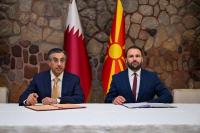
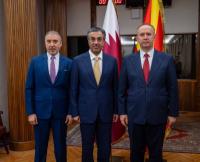
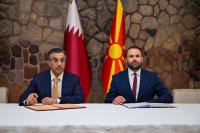
Last update: 5 hours agoRenewables in North Macedonia: Alcazar Energy Partners reached financial close on the Štip wind farm, a 131.25 MW project (21 turbines) described as the largest wind development in the country, backed by €115m+ in senior debt from EBRD/IFC and Erste, with construction of later phases planned. Water security in the Balkans: A new analysis argues Western Balkan rivers are becoming “security assets” as drought and reservoir plans could reshape flows into North Macedonia, Greece and the Aegean, calling for an EU-backed Balkan Water Pact with shared data and environmental flows instead of unilateral rerouting. Wildfire pressure across the region: Serbia’s wildfire crisis is linked to climate change and hotter, drier summers, with the piece warning the trend is spreading across the Western Balkans and threatening both ecosystems and distinctive landscapes. Labour cooperation (with sustainability angle): Qatar and North Macedonia signed an MoU to strengthen labour-market cooperation, including labour inspection and occupational safety and health, aiming to improve working environments and productivity. EU deforestation enforcement gap: Reporting highlights how delays in implementing the EU deforestation rules are fueling illegal logging in Albania, including damage to UNESCO-listed old beech forests, with governance gaps and export loopholes flagged.
Note: AI summary from news headlines; neutral sources weighted more to help reduce bias in the result. Feedback is welcome. Please let us know if you have any comments or suggestions about the AGP Executive Report.
 Perspectify News